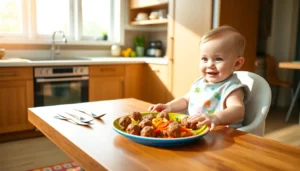

Baby-led weaning and eggs might not be the first combination that pops into your head, but believe me, it’s a match made in mealtime heaven. Instead of spoon-feeding your little one pureed mush, imagine letting them explore food at their own pace. Eggs are a game-changer in this journey, offering nutrition in a toddler-friendly package. So, buckle up as we jump into the delicious world of baby-led weaning with eggs.
What Is Baby Led Weaning?

Baby-led weaning is all about giving infants the autonomy to feed themselves. Instead of the traditional method of spoon-feeding purees, parents introduce whole foods that babies can grasp and chew. Typically starting around six months, this approach fosters independence and encourages the development of fine motor skills. It also promotes a positive relationship with food from the get-go. Through this method, babies learn to explore different textures and flavors, setting the foundation for healthier eating habits in the future.
The Benefits of Baby Led Weaning
The benefits of baby-led weaning extend beyond just the excitement of self-feeding. First off, it can make mealtimes more enjoyable and less stressful for both parents and babies. With baby-led weaning, children often develop better oral motor skills and hand-eye coordination. They also tend to be more open to trying new foods since they have control over what they eat and when. Plus, this approach often leads to less fuss over food varieties, after all, who can resist a colorful plate of finger foods? Also, parents can enjoy shared family meals since the little ones can eat what everyone else is eating, making mealtime a bonding experience.
Why Eggs Are a Great First Food
So, why are eggs particularly great for baby-led weaning? For starters, they are nutrient-dense, packed with protein, healthy fats, and essential vitamins, including vitamin D, choline, and B vitamins. This means eggs can play a vital role in supporting your baby’s growth and development during those crucial early months. Also, eggs are soft, easy to chew, and can be cooked in various ways, scrambled, poached, or even baked, adapting perfectly to whatever stage your baby is at. Their mild flavor makes them versatile and easily mixable with other foods, perfect for experimenting with different tastes.
How to Introduce Eggs in Baby Led Weaning
Introducing eggs into your baby’s diet might seem daunting, but it can be simple and fun. Here are some tips:
- Start with fully cooked eggs. Scrambling eggs is a great way to introduce the texture, soft and easy for little hands to grasp.
- Consider offering eggs in various forms. For instance, you could serve them as mini egg muffins, which are easy to hold and fun to eat.
- Let your baby experiment. They can pick up small pieces or even try some runny yolk on a piece of toast.
Creative Egg Recipes for Baby Led Weaning
- Mini Egg Muffins: These are packed with various veggies. Just whisk eggs with finely chopped spinach, bell peppers, or mushrooms, pour them into muffin tins, and bake until fluffy.
- Avocado Egg Boats: Slice an avocado in half, remove the pit, and crack an egg right into the center. Bake until the egg is set. It’s a nutrient powerhouse that’s easy to manage for small hands.
- Egg Pancakes: Blend eggs with a banana or some oats to create healthy, sweet pancakes your baby can easily hold and enjoy.
Experimenting with different recipes not only keeps mealtime exciting but also ensures your baby gets a variety of nutrients.
Safety Considerations When Offering Eggs
While eggs are a fantastic first food option, there are a few safety considerations to keep in mind:
- Allergies: Introduce eggs when your baby is six months or older and has successfully tried other solid foods. Monitor for any signs of allergy like rashes or digestive issues. It’s wise to consult a pediatrician if allergies are a concern in your family.
- Cooking Method: Always cook eggs thoroughly to eliminate the risk of salmonella. Scrambled or hard-boiled eggs are generally safe choices.
- Choking Hazards: Always supervise your baby while eating. Cut eggs into manageable pieces to prevent choking, and avoid adding salt or seasonings until they’re older.