


Swaddling babies might seem like an age-old ritual, but its benefits are backed by science and slapped with a shiny modern twist. Imagine wrapping your little bundle of joy in a cozy cocoon, keeping them secure and snug while enjoying blissful moments of much-needed sleep. Sounds enticing, right? But before diving into the swaddle game, let’s explore what swaddling truly means, its numerous perks, and how to masterfully wrap your tiny human without accidentally turning them into a burrito. So, grab a comfy blanket and settle in.
What Is Swaddling?
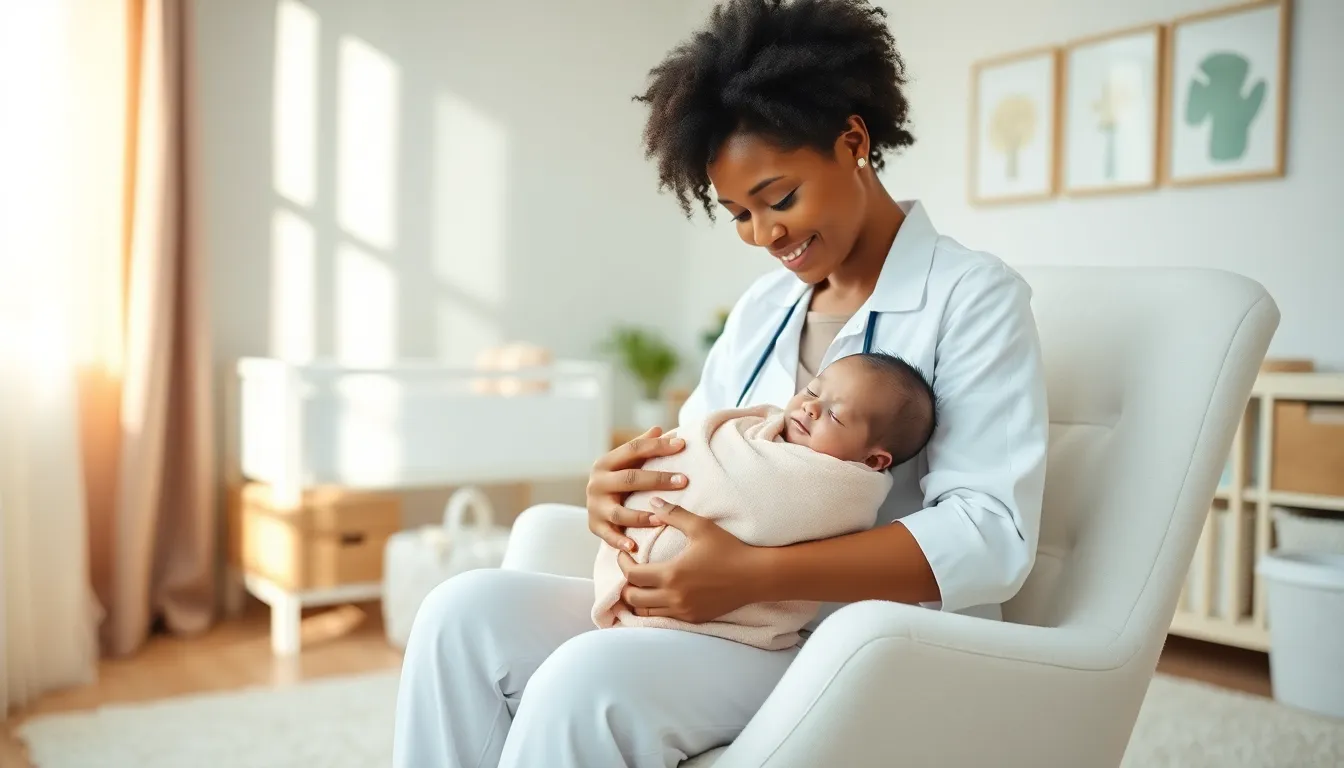
Swaddling is the gentle art of wrapping a newborn in a soft blanket or fabric to mimic the snug environment of the womb. The idea is to restrict their movement slightly, helping them feel safe and secure as they transition into the wider world. Historically, swaddling traces back centuries, utilized by various cultures for its calming effects. It keeps little arms and legs tucked in, preventing spontaneous startle reflexes that often wake infants up from their peaceful slumber. Most importantly, it’s a technique that both enhances comfort and provides a sense of familiarity for babies, making it a go-to for parents everywhere.
Swaddling typically involves laying the baby on their back, placing a soft blanket in a diamond shape, then wrapping it around their body snugly, leaving enough room for hip movement. Properly applied, it can soothe a fussy baby, easing them into a calm state that leads to happy parents and well-deserved downtime.
Benefits of Swaddling
Swaddling comes with a basket full of benefits that every new parent should know about. First and foremost, it greatly aids in calming babies. By simulating the compression of the womb, swaddling has been shown to help reduce crying and fussiness. Talk about a parenting win.
Also, swaddling promotes better sleep. A wrapped baby tends to sleep longer and more soundly, which is music to any tired parent’s ears. The restriction of arm movements can also prevent the startle reflex that often jolts babies awake, leading to uninterrupted dreamy moments.
There’s also evidence suggesting swaddling may be beneficial during the transition to sleep routines, as it helps establish consistency, indicating to babies that it’s time to settle down. A wrapped-up baby feels like a warm hug from the inside out, making the sleep associations stronger. Plus, many parents appreciate the ease of a cozy swaddle during diaper changes, the magical balance of wrapping and unwrapping, making life just a tad simpler.
Best Practices for Swaddling
Mastering the art of swaddling is easy when following a few key practices. First up, always place your baby on their back to sleep, ensuring their safety. When picking a blanket, make sure it’s breathable and lightweight to prevent overheating, nobody wants a sweaty little bundle.
Common Swaddling Techniques
- The Basic Swaddle: This involves placing the baby on their back in the center of a blanket, folding one side over their arm, then tucking the bottom up and rolling the other side across. Simple, effective, and ideal for beginners.
- The Legs-Out Swaddle: Perfect for warmer climates, this technique keeps the legs loose while snugly wrapping the upper body. This method promotes healthy hip development, allowing babies to flex their legs naturally.
- The Double Swaddle: If your little one is a master at breaking free, a double swaddle might be the solution. Here, you use a second thinner blanket over the first, offering extra security without compromising their comfort.
Choosing the Right Swaddle Blankets
Selecting the perfect swaddle blanket is essential for achieving the ideal swaddling experience. Look for fabrics that are soft and gentle against your baby’s skin, cotton, muslin, and bamboo are all excellent choices that are breathable and lightweight.
Brands often offer pre-made swaddle wraps, which come with Velcro or snaps for easy adjustments. But, parents can opt for traditional blankets to embrace that classic swaddling art. Consider factors like size and thickness. A larger blanket makes for easier wrapping, and a medium weight is perfect to provide warmth without overheating. Finally, be mindful of how your baby responds to different textures. Some prefer smooth fabrics, while others enjoy something slightly textured. Testing a few types can be the key to finding the ultimate swaddling solution.
When to Stop Swaddling Your Baby
Knowing when to ditch the swaddle can be just as crucial as mastering the wrap. The general consensus is that most babies are ready to stop swaddling by the time they reach three to four months old. This is typically when they start showing signs of rolling over or when they begin to break free from their swaddle. Pay attention to your baby’s motor skills and cues: they’ll let you know when they’re ready for more freedom.
Transitioning out of the swaddle can be gradual. Some parents opt for a one-arm-out approach, allowing babies to adjust while still feeling that cozy restriction on one side. Others may choose to switch to sleep sacks, which provide a secured environment without the full wrap. This way, babies still feel snug but gain the independence they crave, eventually leading them towards a more natural sleep pattern.
Potential Risks and Considerations
While swaddling offers many benefits, it’s not without its potential pitfalls. Be cautious with tight swaddles, as they may restrict hip movement, leading to developmental issues like hip dysplasia. Always ensure enough space for your baby’s legs to move freely.
Also, overheating is a genuine concern if not monitored closely. Babies cannot regulate their body temperature as effectively as adults, making it crucial to select breathable fabrics and avoid swaddling too tightly. Finally, ensure your baby is on their back to sleep, as swaddling while sleeping face down can increase the risk of Sudden Infant Death Syndrome (SIDS). As with all parenting choices, keeping an eye on your baby’s comfort and safety is the top priority.

