


Swaddling is like wrapping your baby in a cozy burrito, they look adorable, but how long does this culinary comfort last? Parents often find themselves in a swaddle snare, unsure when it’s time to unwrap their little one. While swaddling can provide security and warmth, eventually, babies need to spread their wings… or arms, in this case. So, when do babies stop swaddling? Let’s explore the delicate balance of benefits and risks, developmental cues, and transitioning strategies that will have you packing up the swaddles for good, while ensuring peaceful sleep for both you and your child.
Understanding Swaddling: Benefits and Risks
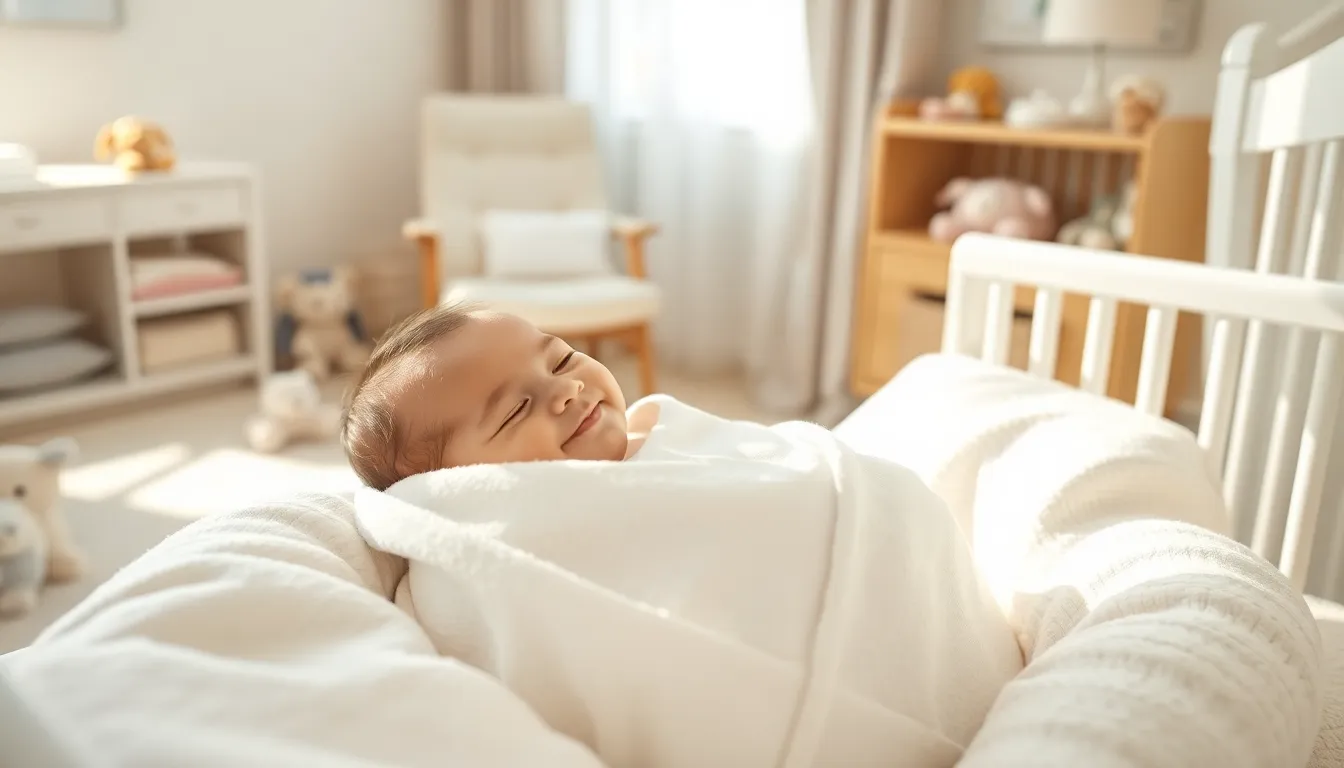
Swaddling has been around for centuries, and for good reason. It mimics the snug environment of the womb, fostering a sense of security that helps babies sleep better. Wrapped securely, they are less likely to startle awake from reflexive movements. But before you turn your home into a swaddle-plex, let’s break down the benefits and risks.
Benefits of Swaddling
- Promotes Sleep: Swaddled babies often sleep longer stretches, which any sleep-deprived parent can appreciate.
- Reduced Startle Reflex: The startle reflex can wake a baby suddenly. Swaddling helps minimize this, making for a happier little sleeper.
- Warmth and Security: Much like a soft hug, swaddling can signal to the baby that it’s time to settle down.
Risks of Swaddling
But, swaddling isn’t without its pitfalls. Here are a few risks to consider:
- Hip Dysplasia: If swaddled too tightly, especially around the legs, it could lead to developmental hip issues.
- Overheating: Babies can’t regulate their body temperature well. Excessive layers could lead to overheating.
- Dependency: Some babies become reliant on swaddling to feel secure, complicating future sleep training.
Understanding both sides helps in making informed decisions for your little one.
Developmental Milestones Signal the End of Swaddling
As adorable as swaddled babies are, it’s crucial to recognize when they are ready to transition out of this cozy cocoon. Typically, this readiness aligns with key developmental milestones that can signal the end of swaddling:
Physical Milestones
- Rolling Over: Most babies start rolling between 3-6 months. Once they can roll, swaddling can pose a safety hazard.
- Sitting Up: When babies begin sitting up independently, their need for swaddling diminishes significantly.
Behavioral Milestones
- Increased Alertness: Babies who are more alert and curious about their surroundings may resist being swaddled.
- Night Wakings: If a baby is waking frequently while swaddled, it could indicate they are ready for more freedom.
These milestones typically occur around 3-6 months, but each baby develops at their own pace.
Signs Your Baby Is Ready to Stop Swaddling
Not sure if your baby is ready? Here are some signs it might be time to retire the swaddle:
Independence in Movement
- Trying to Escape: Is your little one flinging their arms and legs, trying to escape the swaddle? This is a definite sign they want more freedom.
- Frequent Eye Rubs: If you notice them rubbing their eyes more often while swaddled, they might be telling you they’re awake and ready for more space.
Sleep Patterns
- Waking Up More Often: If your baby is waking more frequently during the night, their swaddle might be restricting their comfort.
- Change in Sleep Quality: Babies who sleep better without the swaddle might be signaling it’s time to move on.
Recognizing these signs can help parents navigate the transition more smoothly.
How to Transition Away From Swaddling
Transitioning away from swaddling can feel like a monumental task. Here’s a step-by-step guide to ensure a smoother change:
Start Gradually
- One Arm Out: Start by keeping one arm out of the swaddle for a few nights. This allows your baby to adjust while still providing some comfort.
- Gradual Unwrapping: Progressively reduce the swaddle’s tightness or keep both arms out, switching to a sleep sack for some added warmth.
Create a Comfortable Sleep Environment
- Temperature Control: Ensure the room stays comfortably cool to minimize any discomfort from reduced warmth.
- Consistent Sleep Routine: Maintain a consistent bedtime routine to signal to your baby that it’s time for sleep, even without a swaddle.
Reassure Your Baby
- Use a Lovey: Introducing a comfort object can help ease the transition and provide a sense of security.
- Soothing Techniques: Offer gentle rocking or shushing to soothe your baby as they adapt to the new sleep style.
Gradually transitioning like this can help ease both you and your baby into this next stage.
Alternatives to Swaddling
If swaddling isn’t your style, or your baby is ready to move on, there are plenty of alternatives to keep them cozy:
Sleep Sacks
- Wearable Blankets: These are great for keeping babies warm without the risks associated with loose bedding.
Loose Fitting Sheets
- Tucked-in Sheets: Instead of tightly wrapping, using lightly tucked sheets can provide comfort and warmth.
Nested Sleep Positioners
- Cozy Nesting: Utilizing sleep positioners can provide a snug feeling without restricting movement the way swaddling does.
Each of these alternatives helps babies feel secure without being restrictive.
Expert Advice and Recommendations
Experts often have insights that can guide parents through the swaddling phase. According to pediatricians and sleep consultants:
- Monitor Development: Keeping an eye on your baby’s milestones is essential for a successful transition away from swaddling.
- Read Your Baby’s Cues: Every baby is different: attuning to your little one’s unique signals can lead to a smoother transition.
- Seek Professional Guidance: When in doubt, don’t hesitate to consult your pediatrician. They can provide tailored advice based on your baby’s needs.
By tapping into expert recommendations, parents can navigate the swaddling phase confidently.

